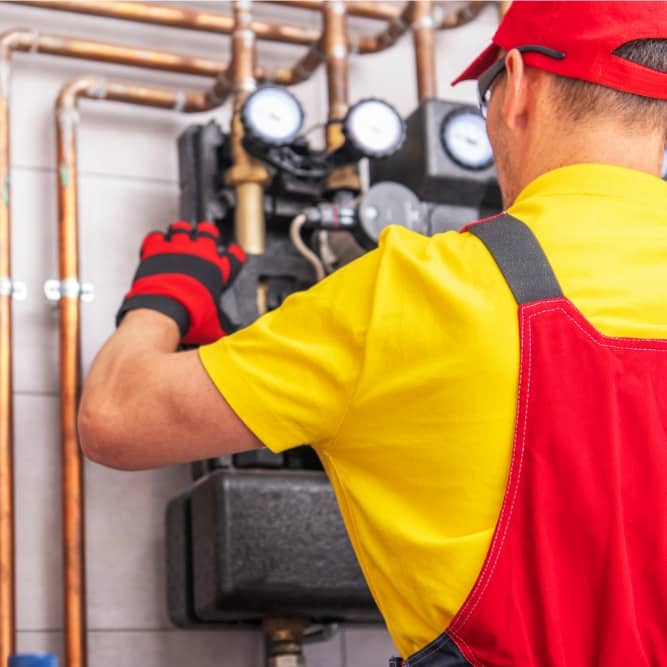
As winter approaches in Pennsylvania, reliable home heating becomes more than a convenience—it becomes a necessity. Many Pennsylvania homes, particularly older properties throughout Philadelphia, still rely on boiler systems for consistent, whole-home heating. While boilers are known for durability and efficiency, improper installation can lead to uneven heating, higher energy bills, frequent breakdowns, and serious safety concerns during peak winter months.
Preparing for boiler installation before winter ensures your system operates efficiently when temperatures drop. Whether you’re upgrading an outdated unit or installing a new residential boiler, understanding proper installation practices can protect your home, reduce heating costs, and prevent emergency repairs. Working with an experienced local provider like East Philly Plumbing ensures your boiler installation is handled correctly, safely, and in full compliance with Pennsylvania codes. Boiler installation in Pennsylvania should be completed before winter using a properly sized, high-efficiency boiler installed by a licensed local plumber. Correct sizing, safe venting, permit compliance, and annual maintenance are essential for reliable heating, lower energy costs, and long-term performance.
Why Boiler Installation Is Especially Important in Pennsylvania
Pennsylvania winters bring freezing temperatures, snow, and prolonged cold spells that place constant demand on heating systems. Unlike forced-air furnaces, boilers distribute heat evenly through radiators or radiant systems, making them a popular choice for consistent comfort in older homes.
However, boiler installation in Pennsylvania must account for climate conditions, insulation levels, and strict safety requirements. According to the U.S. Department of Energy, heating accounts for over 40% of household energy usage, making proper installation critical for both efficiency and affordability. A poorly installed boiler can waste fuel, increase monthly bills, and shorten system lifespan.
Choosing the Right Boiler for Your Pennsylvania Home
Common Boiler Types Used in Pennsylvania Homes
Selecting the correct boiler is one of the most important steps in the installation process. Pennsylvania homeowners typically choose from:
- Gas boilers, commonly used in Philadelphia due to accessibility and efficiency
- Oil boilers, often found in older homes without natural gas service
- Electric boilers, suitable for smaller homes or specific applications
- High-efficiency condensing boilers, designed to maximize fuel usage and reduce emissions
A professional plumber evaluates your home’s size, layout, fuel availability, and heating needs to recommend the most efficient option.
Proper Boiler Sizing: Why It Matters More Than You Think
Many homeowners assume that a larger boiler means better heating, but oversizing is one of the most common installation mistakes. An oversized boiler cycles on and off too frequently, wasting energy and increasing wear on internal components. Undersized boilers, on the other hand, struggle to maintain consistent temperatures.
Licensed boiler installers perform a Manual J heat loss calculation, which considers square footage, insulation, window quality, and Pennsylvania’s winter climate. Proper sizing ensures steady heat output, energy efficiency, and long-term reliability.
Energy-Efficient Boiler Installation Tips for Lower Heating Bills
Upgrade to High-Efficiency Boilers Before Winter
Modern boilers with 90%+ AFUE ratings convert more fuel into usable heat, reducing monthly heating costs and environmental impact. High-efficiency boiler installation is especially beneficial in Pennsylvania, where long heating seasons demand consistent performance.
Many homeowners may also qualify for rebates or incentives when installing energy-efficient systems. Programs listed on ENERGY STAR® highlight approved boilers that meet federal efficiency standards, helping homeowners make informed decisions.
Boiler Venting, Piping, and Safety Requirements
Safe Venting Protects Your Home and Family
Boilers produce combustion gases that must be vented safely outside. Improper venting can lead to carbon monoxide buildup, posing serious health risks. Pennsylvania codes require proper clearances, approved vent materials, and secure exhaust routing.
Correct Piping Ensures Efficient Heat Distribution
Improper pipe sizing or layout can cause uneven heating, noisy operation, or reduced efficiency. Professional installers balance supply and return lines to ensure even heat delivery throughout the home.
Boiler Installation Permits and Code Compliance in Pennsylvania
Most boiler installations in Pennsylvania—especially in Philadelphia—require permits and inspections. Licensed plumbers handle this process to ensure compliance with:
- Pennsylvania Uniform Construction Code (UCC)
- Local Philadelphia plumbing and mechanical codes
- Manufacturer installation specifications
Skipping permits can result in fines, failed inspections, and complications when selling your home.
When Is the Best Time to Install a Boiler in Pennsylvania?
The best time for boiler installation is late summer through early fall, before winter demand peaks. Scheduling installation early allows homeowners to:
- Avoid emergency breakdowns during freezing weather
- Secure better scheduling availability
- Test the system before continuous winter use
Emergency boiler replacements during winter are often more expensive and limit equipment options.
Professional Boiler Installation vs. DIY: Why Experience Matters
Boilers involve gas connections, pressurized water, electrical components, and combustion systems. DIY installation increases the risk of leaks, inefficiency, and safety hazards. Hiring a licensed professional like East Philly Plumbing ensures:
- Safe, code-compliant installation
- Manufacturer warranty protection
- Long-term system reliability
For additional safety guidance, homeowners can review heating system recommendations from the U.S. Consumer Product Safety Commission.
Boiler Maintenance After Installation: Preparing for Winter
Annual boiler maintenance helps prevent breakdowns and keeps systems running efficiently during winter. Maintenance services typically include pressure checks, leak inspections, burner cleaning, and efficiency testing. Scheduling maintenance before winter ensures your boiler is ready when you need it most.
Philadelphia: Where Reliable Boiler Heating Truly Matters
Philadelphia’s historic neighborhoods, aging rowhomes, and dense residential areas make dependable heating essential for homeowners across the city. Located in southeastern Pennsylvania, Philadelphia experiences cold winters that place heavy demands on boiler systems, especially in older properties built for radiant heating. Many homes still rely on boilers for consistent warmth throughout long winter months. Small local businesses like East Philly Plumbing understand the unique plumbing infrastructure, construction styles, and heating challenges found throughout Philadelphia, providing customized boiler installation and service solutions designed specifically for the city’s residential needs.
Why Pennsylvania Homeowners Trust East Philly Plumbing
- Local expertise in Philadelphia boiler installation
- Licensed, insured, and experienced technicians
- Code-compliant installations and permits handled
- Honest pricing and energy-efficient recommendations
- Reliable service before and during winter
Learn more about professional boiler installation services at East Philly Plumbing.
Frequently Asked Questions About Boiler Installation in Pennsylvania
What is the best boiler for Pennsylvania winters?
High-efficiency gas or condensing boilers perform best in Pennsylvania due to consistent heat output and lower fuel consumption.
How long does residential boiler installation take?
Most installations take 1–3 days, depending on system type and required upgrades.
Do I need permits for boiler installation in Philadelphia?
Yes, most boiler installations require permits and inspections to meet local codes.
How long does a boiler last?
A properly installed and maintained boiler can last 15–25 years.
Is it better to replace a boiler before winter?
Yes, replacing a boiler before winter prevents emergency breakdowns and ensures reliable heating.
Can I install a boiler myself?
No, boiler installation should always be completed by a licensed professional due to safety and code requirements.
Are high-efficiency boilers worth it?
Yes, they reduce heating bills, improve comfort, and may qualify for rebates.
How often should a boiler be serviced?
Boilers should be serviced once per year, ideally before winter.
Does a new boiler increase home value?
Yes, an energy-efficient boiler can improve home value and buyer appeal in cold climates.