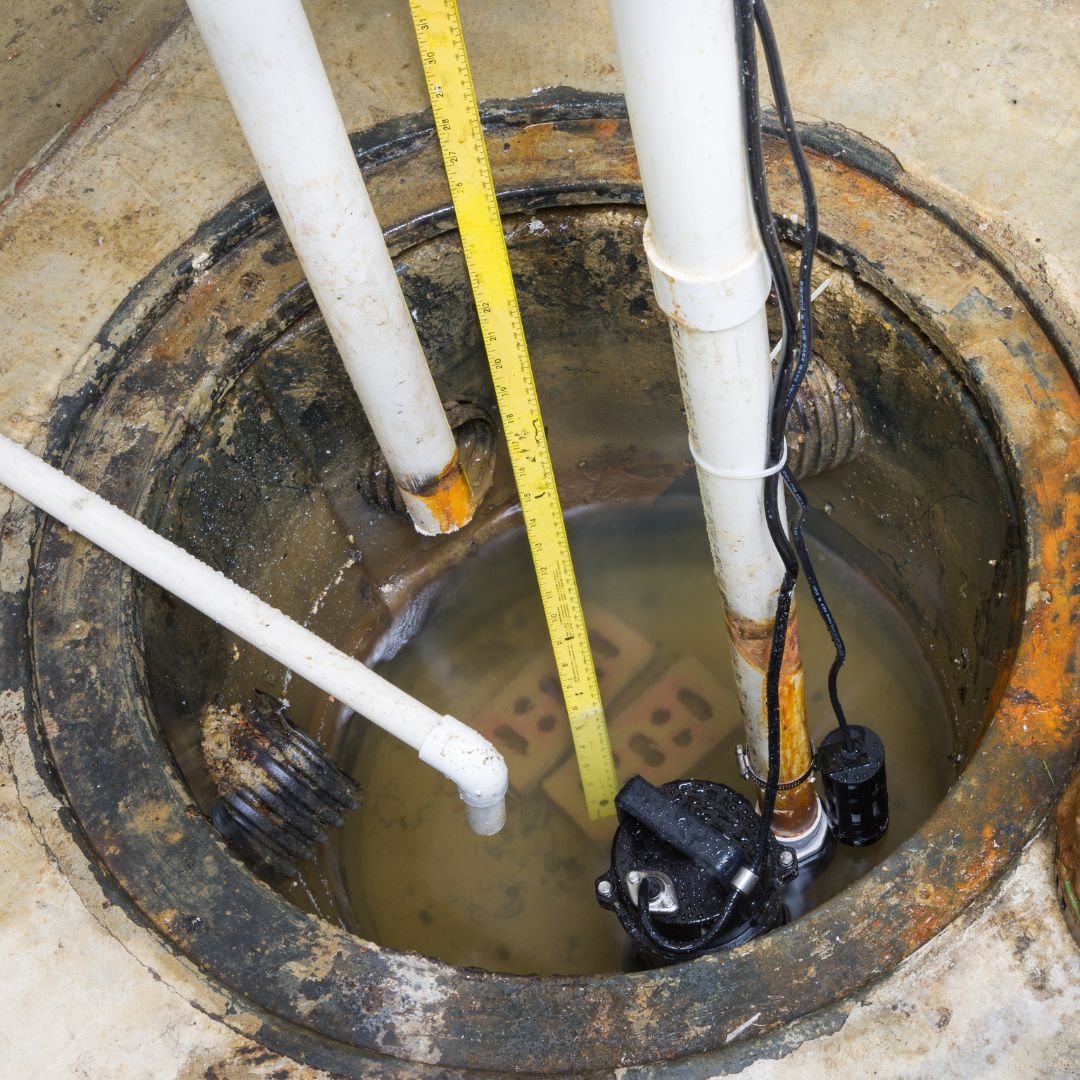
Basement flooding is one of the most costly and stressful problems homeowners face, especially in older urban areas where drainage systems, sewer lines, and foundations are under constant pressure from heavy rainfall and rising groundwater levels, making regular sump pump and sewage pump maintenance a critical part of protecting your home from water damage, mold growth, and structural deterioration.
For homeowners in Philadelphia, where seasonal storms, aging infrastructure, and high water tables are common, proactive maintenance of sump pumps and sewage pumps is not optional—it is essential for preventing unexpected basement flooding and avoiding emergency plumbing repairs.
East Philly Plumbing provides professional sump pump and sewage pump services to help homeowners stay protected year-round through preventative inspections, cleanings, and system upgrades that reduce the risk of costly water damage.
Understanding How Sump Pumps Protect Philadelphia Homes
A sump pump is designed to remove excess groundwater that accumulates around your home’s foundation, particularly during heavy rain or snowmelt, by collecting water in a sump pit and pumping it safely away from the structure before it can seep into the basement.
In Philadelphia homes, especially row houses and older properties with stone or concrete foundations, sump pumps play a critical role in flood prevention because groundwater pressure can quickly force water through foundation cracks or floor joints when drainage systems are overwhelmed.
If a sump pump fails due to lack of maintenance, power outages, or mechanical wear, the result can be rapid basement flooding that damages flooring, drywall, stored belongings, and electrical systems.
Why Sewage Pump Maintenance Is Equally Important
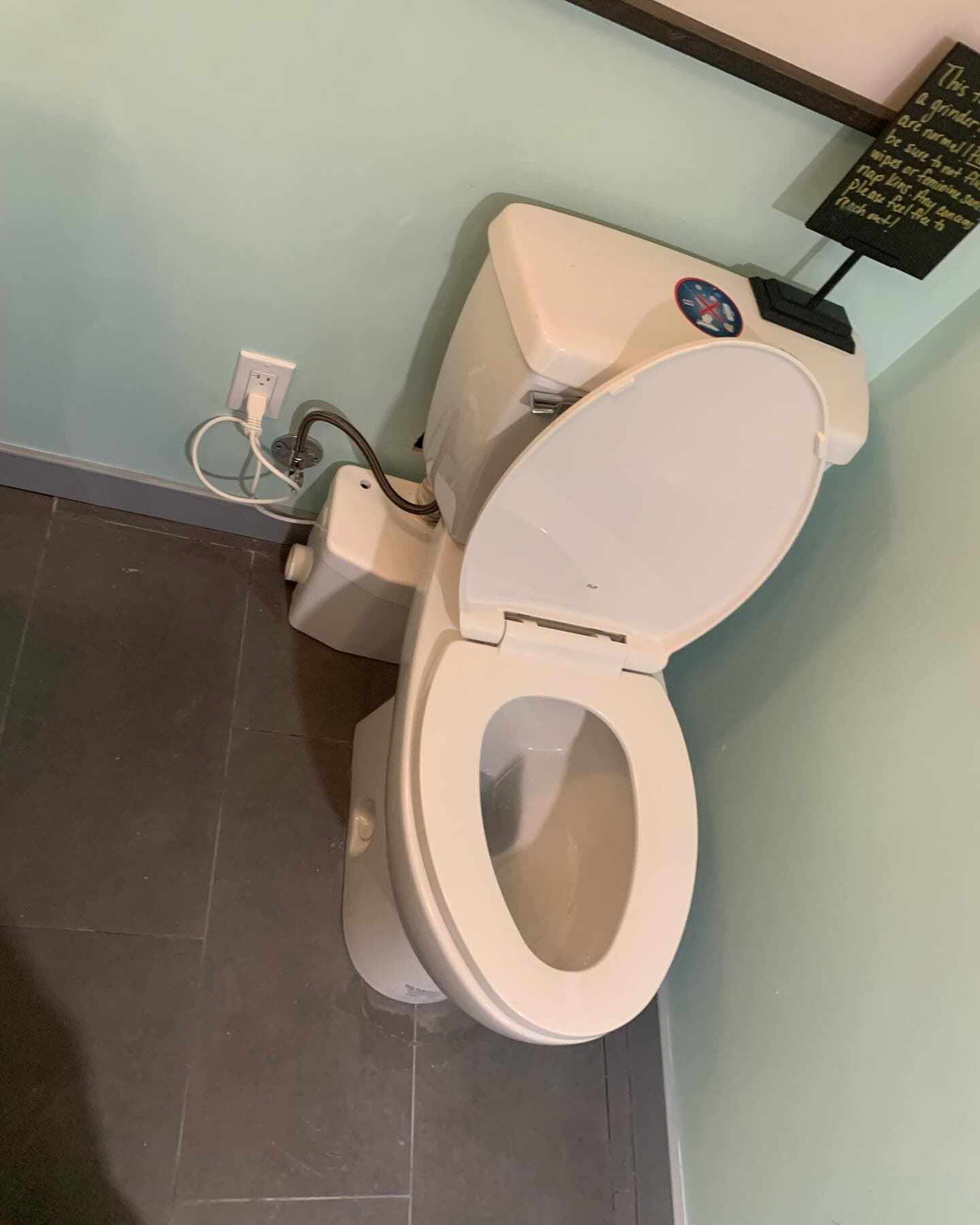
Unlike sump pumps that handle groundwater, sewage pumps are responsible for moving wastewater from lower-level bathrooms, laundry rooms, and basement drains up into the main sewer line when gravity drainage is not possible.
When sewage pumps are not maintained properly, debris buildup, grease accumulation, or mechanical failure can cause sewage backups that result in contaminated floodwater entering your basement, creating serious health hazards and requiring professional cleanup. Routine sewage pump maintenance helps prevent sewer line backups, foul odors, slow drains, and unexpected pump failures that often occur at the worst possible times.
Common Causes of Sump Pump and Sewage Pump Failure
Sump pump and sewage pump failures rarely happen without warning, but homeowners often miss the early signs because the systems are out of sight and out of mind until an emergency occurs.
Common causes of pump failure include float switch malfunctions, clogged discharge lines, debris buildup in the sump pit, worn-out motors, lack of backup power during storms, and improper pump sizing for the home’s drainage demands.
For sewage pumps, flushed non-biodegradable items, grease accumulation, mineral deposits, and aging components can lead to pump burnout or sewer backups if not addressed through routine maintenance.
How Regular Sump Pump Maintenance Prevents Basement Flooding
Professional sump pump maintenance focuses on ensuring that every component of the system works reliably when water levels rise, reducing the risk of sudden failure during heavy rain.
Maintenance typically includes cleaning the sump pit, testing the float switch, inspecting the pump motor, checking discharge lines for blockages or freezing risks, and confirming that the pump activates and shuts off correctly under load.
Homeowners who schedule annual sump pump inspections significantly reduce their chances of basement flooding, especially during Philadelphia’s spring storms and summer downpours when drainage systems are under maximum stress.
Sewage Pump Maintenance and Sewer Backup Prevention
Sewage pump maintenance is crucial for preventing basement sewage backups that can cause extensive damage and pose serious health risks.
Routine service includes inspecting the pump basin, removing debris, testing pump operation, checking seals and electrical connections, and ensuring the pump can handle peak wastewater flow without overheating or stalling.
By maintaining your sewage pump, you also reduce the risk of sewer line clogs and backups that can impact not only your home but neighboring properties connected to shared sewer systems.
Philadelphia Homes, Weather, and Flood Risk
Philadelphia is a historic city known for its dense neighborhoods, aging infrastructure, and proximity to rivers like the Delaware and Schuylkill, all of which contribute to higher basement flooding risks during heavy rainfall. Many homes in the city feature older foundations and drainage systems that require modern solutions to manage groundwater and wastewater effectively. Local small businesses like East Philly Plumbing play a vital role in protecting Philadelphia homeowners by providing expert plumbing services, preventative maintenance, and emergency repairs tailored to the unique challenges of urban living in the region.
Why Professional Pump Maintenance Is Better Than DIY
While basic visual checks can be done by homeowners, professional sump pump and sewage pump maintenance provides a deeper level of inspection that identifies hidden issues before they cause flooding.
Licensed plumbers use specialized tools to test pump performance, inspect electrical components, identify early wear, and ensure compliance with local plumbing codes.
How Often Should Sump Pumps and Sewage Pumps Be Serviced?
Most sump pumps should be professionally inspected at least once per year, ideally before the rainy season, while sewage pumps may require more frequent maintenance depending on household usage and system age.
Homes with finished basements, basement bathrooms, or frequent heavy water use benefit from bi-annual inspections to reduce the risk of unexpected failure.
Contact East Philly Plumbing for Sump Pump and Sewage Pump Maintenance
If you are experiencing basement moisture issues, sump pump problems, or concerns about sewage pump performance, contacting a trusted local plumber is the fastest way to prevent serious water damage. East Philly Plumbing provides professional sump pump maintenance, sewage pump inspections, emergency plumbing services, and basement flood prevention solutions in Philadelphia, PA. Our licensed plumbers understand the unique drainage and sewer challenges of Philadelphia homes and offer reliable service to keep your plumbing system operating safely and efficiently. Whether you need routine maintenance, pump replacement, or urgent repairs, our team is ready to help protect your basement and your home. Contact East Philly Plumbing today to schedule expert service and ensure long-term flood protection.
FAQs – Sump Pump and Sewage Pump Maintenance
How often should a sump pump be maintained?
Sump pumps should be inspected and tested at least once a year, with more frequent checks recommended for older pumps or homes prone to basement flooding.
What causes sump pump failure during storms?
Common causes include power outages, float switch failure, clogged discharge lines, and pumps that are undersized for the amount of water entering the sump pit.
How long do sewage pumps last?
With proper maintenance, sewage pumps typically last between 7 and 10 years, though heavy use or lack of servicing can shorten their lifespan.
Can a sewage pump prevent basement sewer backups?
Yes, a properly maintained sewage pump helps prevent wastewater from backing up into basement drains during heavy use or sewer system overloads.
Is a battery backup sump pump worth installing?
Battery backup sump pumps are highly recommended in Philadelphia due to frequent storms and power outages, offering critical protection when primary pumps lose power.
What are signs my sewage pump is failing?
Slow drains, sewage odors, unusual noises, frequent cycling, and wastewater backups are common indicators that a sewage pump needs service or replacement.
What is the best sump pump for preventing basement flooding in Philadelphia?
The best sump pump for Philadelphia homes depends on basement size, groundwater levels, and drainage conditions, but cast-iron sump pumps with battery backup systems are often recommended for reliable basement flood prevention.
Do older Philadelphia homes need sump pump upgrades?
Yes, many older Philadelphia homes benefit from sump pump upgrades because aging foundations, outdated drainage systems, and increased rainfall can overwhelm older or undersized pumps.
Can heavy rain overwhelm a working sump pump?
Yes, extremely heavy rainfall can overwhelm a sump pump if the system is undersized, poorly maintained, or lacks a backup pump, which is why regular inspections and proper sizing are critical.
What happens if a sewage pump fails during a storm?
If a sewage pump fails during heavy rain, wastewater can back up into basement drains, toilets, or floor drains, leading to contaminated flooding and costly cleanup.
How do I prevent sewer backups in my basement?
Preventing sewer backups involves routine sewage pump maintenance, avoiding flushing non-flushable items, keeping grease out of drains, and scheduling professional inspections with a licensed plumber.